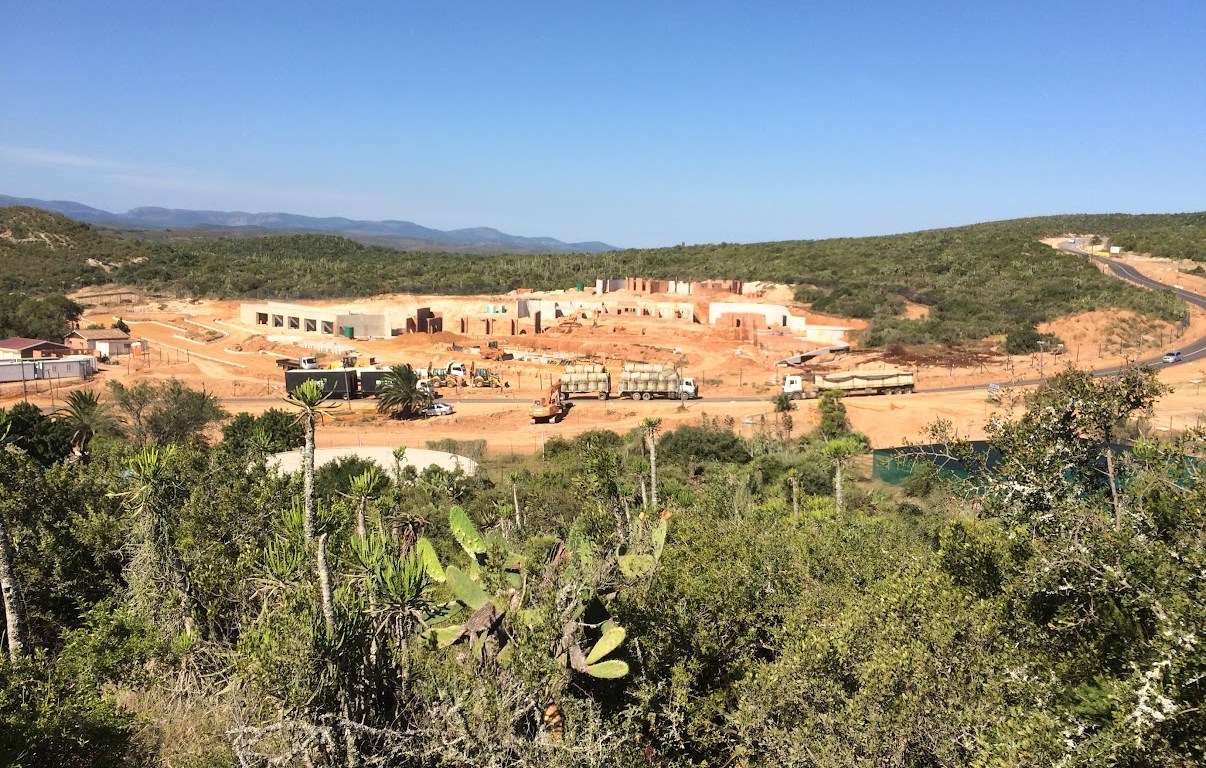
What is the role of the construction stage in a building’s lifecycle in supporting environmental, social and economic sustainability performance? Are there ways that construction can be planned and managed to reduce negative environmental impacts and increase social and economic sustainability benefits?
South Africa has a rich seam of work in this area, and I was asked by the CIB to cover these questions in a presentation. My presentation covered:
- Defining environmental, social and economic sustainability performance in construction: This included exploring the role construction can play in supporting environmental, social and economic sustainability. It showed examples of how a responsive, proactive approach could be used to address local priorities.
- Targets: Examples of construction environmental, social and economic sustainability targets were shared. Procedures for setting quantifiable targets and protocols for carrying out objective measurement and reporting were also discussed.
- Techniques: Addressing sustainability requires it to be effectively integrated into all aspects of construction and supported by key role-players. Techniques to support this integration were illustrated. This showed how responsibilities for achieving targets could be allocated and supported through effective planning, resourcing and monitoring.
While targets and techniques for sustainable construction lag behind those for building design and operation, they can make valuable and substantial contributions to supporting sustainability and, therefore, should not be an afterthought. They also provide a rich seam of topics that can be explored by built environment and construction researchers.
 Jeremy Gibberd