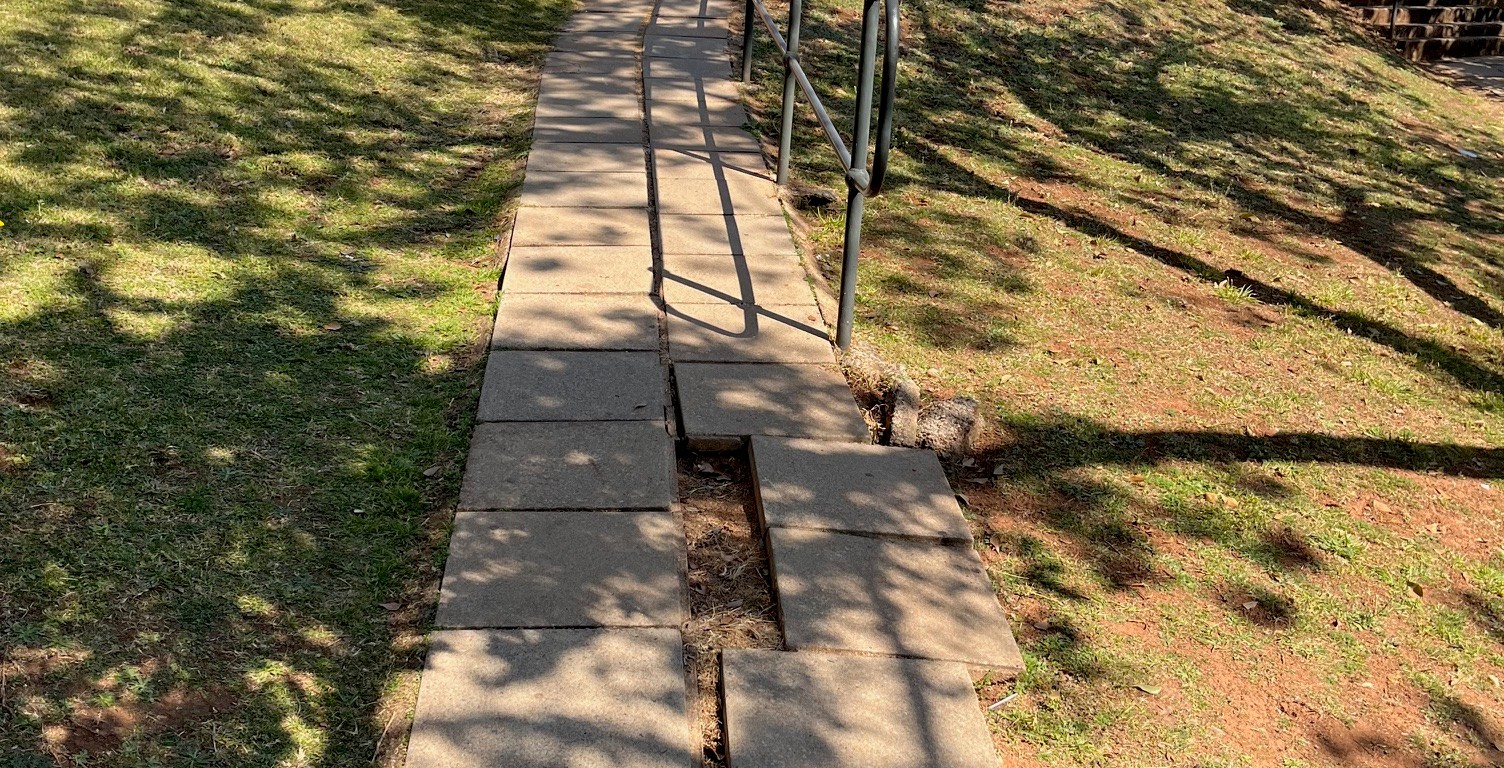
Are buildings and sites fit for purpose? Do they work well for the activities they accommodate? Do they fully comply with building regulations?
Just as training to become a researcher requires critical reviews of existing work, it is valuable for built environment professionals to be able to evaluate the built environments around them and learn how to improve them.
In a recent exercise, I provided training on the critical evaluation of built environments. This included measurements against Part S of the building regulations. Participants then assessed different aspects of a site and building. The results were then categorised in the following way:
A: Areas that were fully compliant with regulations and worked well.
B: Areas that had been compliant with regulations but did not work well currently as a result of a lack of maintenance and management.
C: Areas that were not compliant and where ‘workarounds’ were being used to enable them to work.
D: Areas that were not compliant and did not work well.
Following this categorisation, measures to address B to D were discussed. This included reflecting on how these situations could have been avoided and developing prioritised recommendations to remedy them.
Hopefully, the exercise is useful in developing a more critical eye that reduces the design and construction of non-compliant and poorly functioning built environments. It emphasises the importance of maintenance and management in ensuring buildings work as designed. The exercise also illustrates the cost and disruption associated with remedying non-compliant and poorly functioning environments. Finally, it highlights the importance of good design, and that even ‘fully compliant’ environments may not work well.
 Jeremy Gibberd