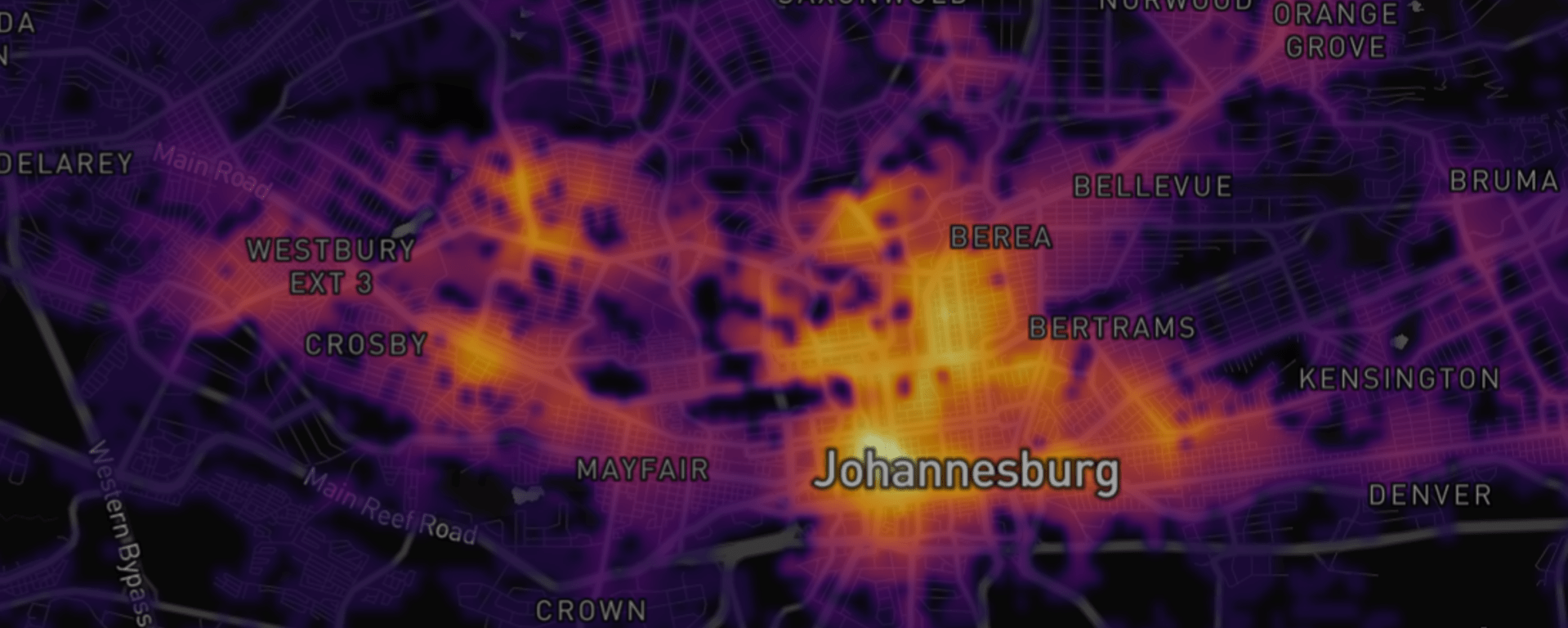
For the WABER SudBE Conference 2024, I presented on Integrating Circularity into Urban Environments (ICUE). Circularity refers to using circular economy approaches to optimize resource use and minimise waste. There are many ways that circularity can be integrated into urban environments and in the presentation, I provided an introduction and outlined opportunities for South African cities. Some examples are provided below.
- Mixed-use high-density nodes: Mixed-use, high-density nodes with residential, commercial, and education facilities can be used to improve quality of life and reduce carbon emissions and other negative impacts associated with transport.
- Shared use: Shared use of facilities enables these to be used more efficiently and provides capital and operational cost savings. Examples of this are the way adult education colleges use primary school buildings in the evenings and weekends instead of replicating facilities.
- Local recycling schemes: Local recycling schemes improve the viability of recycling through sorting, bulking of products to reduce transport costs and onsite recycling of organic waste into compost. This avoids waste being directed to landfill and creates local jobs.
- Energy-as-a-service: Energy-as-a-service entrepreneurs can help provide affordable and reliable locally generated renewable power without users having to maintain and invest in plant. This provides for more reliable power and reduced carbon emissions.
- Fresh produce markets: Fresh produce markets enable locally grown vegetables and fruit to be sold by local producers. This reduces transport impacts, improves health and supports employment and entrepreneurs, for instance in food processing.
- Repair and maintenance services: Local repair and maintenance services extend the life of equipment like washing machines, fridges, cookers and TVs and avoid waste.
- Deconstruction and reuse: Instead of demolition of buildings and materials ending up in landfill, careful deconstruction ensures that components such as windows, doors, plumbing and electrical fixtures, trusses and roof sheeting are reused or recycled.
The presentation showed the multiple benefits that can be generated by an ICUE approach. It also confirmed that many of these opportunities can be readily implemented by communities, businesses, and local municipalities and gave examples of where this is already happening. Photo: Accessmap.
 Jeremy Gibberd