Why are we not making sufficient progress in achieving climate change targets and the Sustainable Development Goals?
Reasons for this include a lack of coherent, integrated approaches across scales, sectors and systems. There is also insufficient focus on social and economic transformation in addition to technological innovation and change.
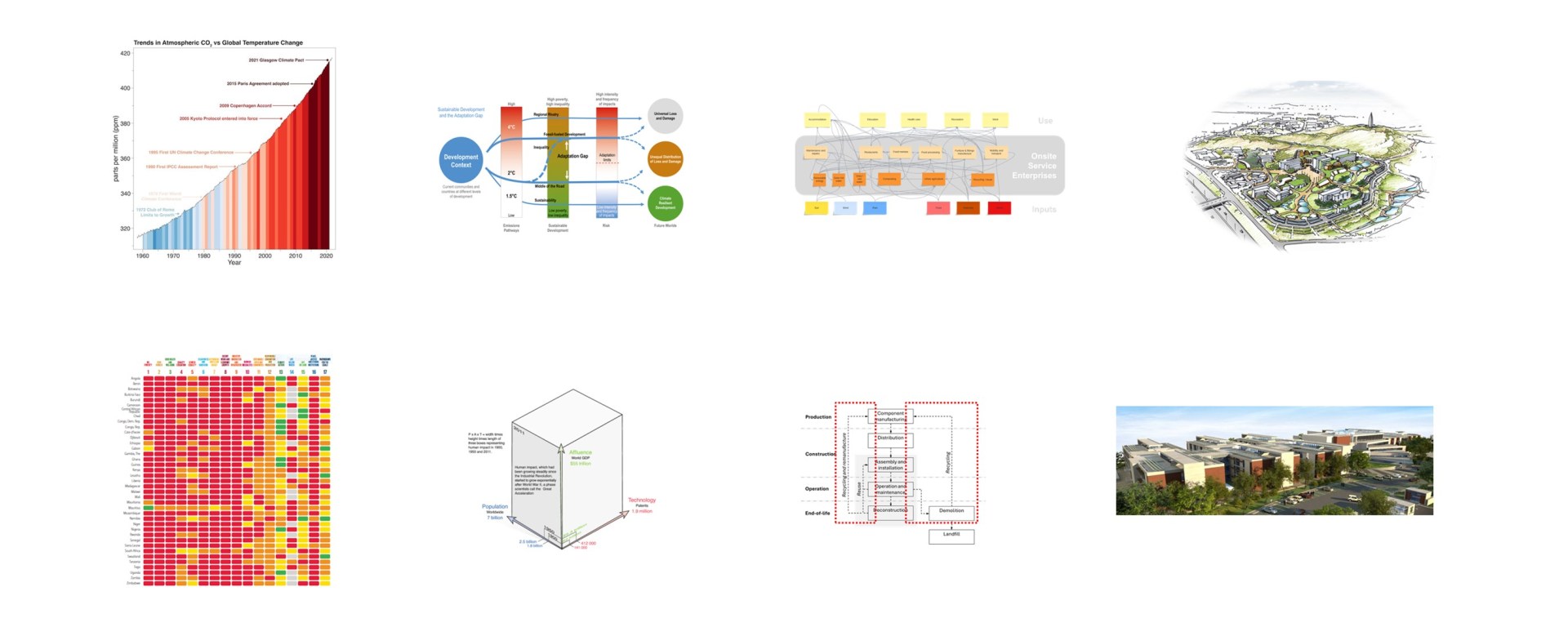
My keynote presentation for the ASOCSA 2024 conference tackled this area and explored how more cohesive, collaborative, integrated and transformative approaches could be developed. The following examples were used to illustrate different approaches.
- Operation Vulindlela: Partnerships between government departments, treasury and the private sector have enabled a more cohesive focus on issues such as energy and logistics that have reduced loadshedding in South Africa.
- DEA PPP: Partnerships between the private sector, government and occupants of the building have enabled design and operational efficiencies resulting in one of the highest green building ratings for a government building.
- Product-As-A-Service: PaaS models are increasingly being used to provide renewable energy to households in South Africa. This is being supported by the large banks and has created a large number of energy entrepreneurs who install and service systems. This is transforming the energy sector by helping address load shedding, reducing carbon emissions and creating local enterprises and jobs.
- Construction Demolition and Reuse: Following demolition of a building in South Africa, waste is often directed to landfill or fly tipped. A circular deconstruction and reuse approach can be used to recover most of the components and materials from buildings. This avoids waste and loss of valuable resources. It also creates new deconstruction and reuse entrepreneurs and jobs.
- Circular Economy Design Evaluations: Design processes are often rushed and opportunities for strategic efficiencies and sustainability gains are lost. Carrying out circular economy design assessments at the concept design stage can be used to generate highly innovative strategies which enable very significant efficiencies and transformation. For instance, assessments may identify the opportunities to share facilities and services (such as transportation, meeting spaces, recycling, energy and maintenance) between neighbours enabling shared facilities to be provided more efficiently and at much lower cost. This not only enhances amenities and services for organisations and occupants but also creates opportunities for new jobs and entrepreneurs.
 Jeremy Gibberd