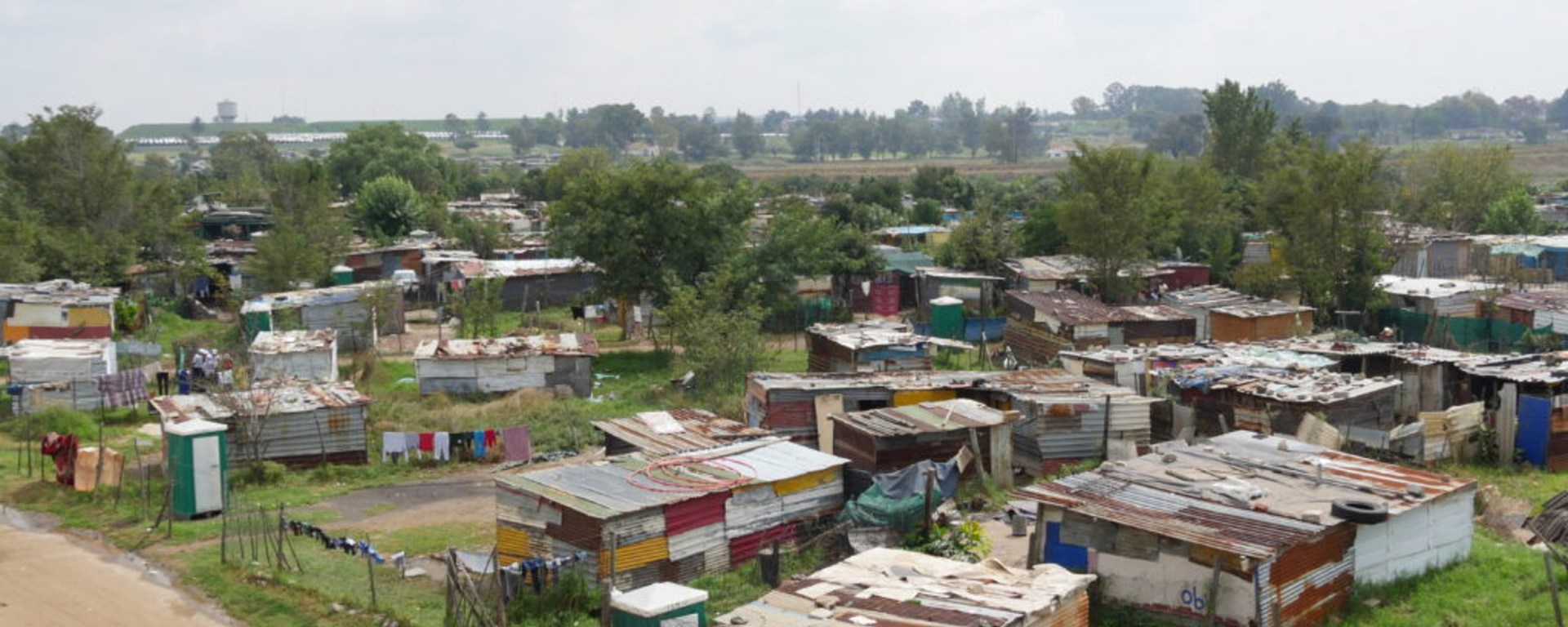
In the last few weeks, inputs on the new Human Settlements White Paper have been invited and discussed in meetings. Short policy statements have been drafted for different sections of the White Paper and presented to government, NGO, academic and civil society stakeholders. The discussions have been lively and used to refine statements. An extract of my inputs on the Infrastructure in Human Settlement section, with useful contributions from reviewers, is outlined below.
Context
Rapid urbanisation and resource constraints have resulted in infrastructure backlogs in many human settlements in South Africa. Settlements do not have adequate roads, walking and cycling routes, public transport, energy, ICT, water, sanitation and solid waste management services. In addition, the development of urgently needed new housing in many areas is limited by insufficient bulk service capacity and resources required to develop connections and networks. Improvements in existing processes are needed and alternative sustainable models that ensure that backlogs are addressed more rapidly are required.
Policy Recommendations
Human settlement infrastructure guidelines will be developed based on the following principles:
- Infrastructure will be planned and operated in a collaborative and integrated way between government departments and communities to ensure that safer, healthier and more sustainable environments are developed.
- Minimum infrastructure standards for human settlements will be developed In discussion with relevant organisations such as the Departments of Transport, Water and Sanitation, Energy, Public Works and COGTA. Standards will build on existing norms and standards within the relevant departments.
- Standards will define minimum sustainability, affordability, and accessibility requirements.
- High-quality, sustainable infrastructure, technologies and systems will be used to achieve minimum standards. Examples include safe walking and cycling routes, non-motorised transport, electric buses, ICT, smart and connected technologies, photovoltaic, biogas, solar hot water, rainwater harvesting, greywater, ecological sanitation, composting, sustainable urban drainage and solid waste recycling systems.
- Local government will plan for infrastructure in line with minimum standards and include this in Integrated Development Plans (IDPs).
- Where appropriate, municipalities will develop Municipal Service Partnerships (MSPs) with local communities, cooperatives, service entrepreneurs or other branches of government to develop and manage infrastructure and provide services within human settlements. A Municipal Service Partnership (MSP) is an agreement between a municipality and a service provider who may be another public authority (such as a water board or a district municipality), a private company, a non-governmental organisation (NGO) or a community-based organisation (CBO). In terms of the agreement, the service provider undertakes to provide a particular municipal service on behalf of a municipality within specific timeframes, budgets and targets.
- Product-as-a-service models in which service entrepreneurs or cooperatives install and maintain systems, such as photovoltaic plants and solar water heaters at their cost and receive fees for services used, will be promoted.
- Development Finance Institutions (DFIs) such as the NHFC and DBSA will provide finance and technical support to entrepreneurs, cooperatives and communities wishing to develop infrastructure and provide services through the Municipal Service Partnership (MSP) model.
- The Department of Higher Education, LGSETA, TVET colleges, universities and community-based organisations will work together to provide practical, accessible infrastructure development, management and maintenance training to build local capacity.
Picture: Mail&Guardian.
 Jeremy Gibberd