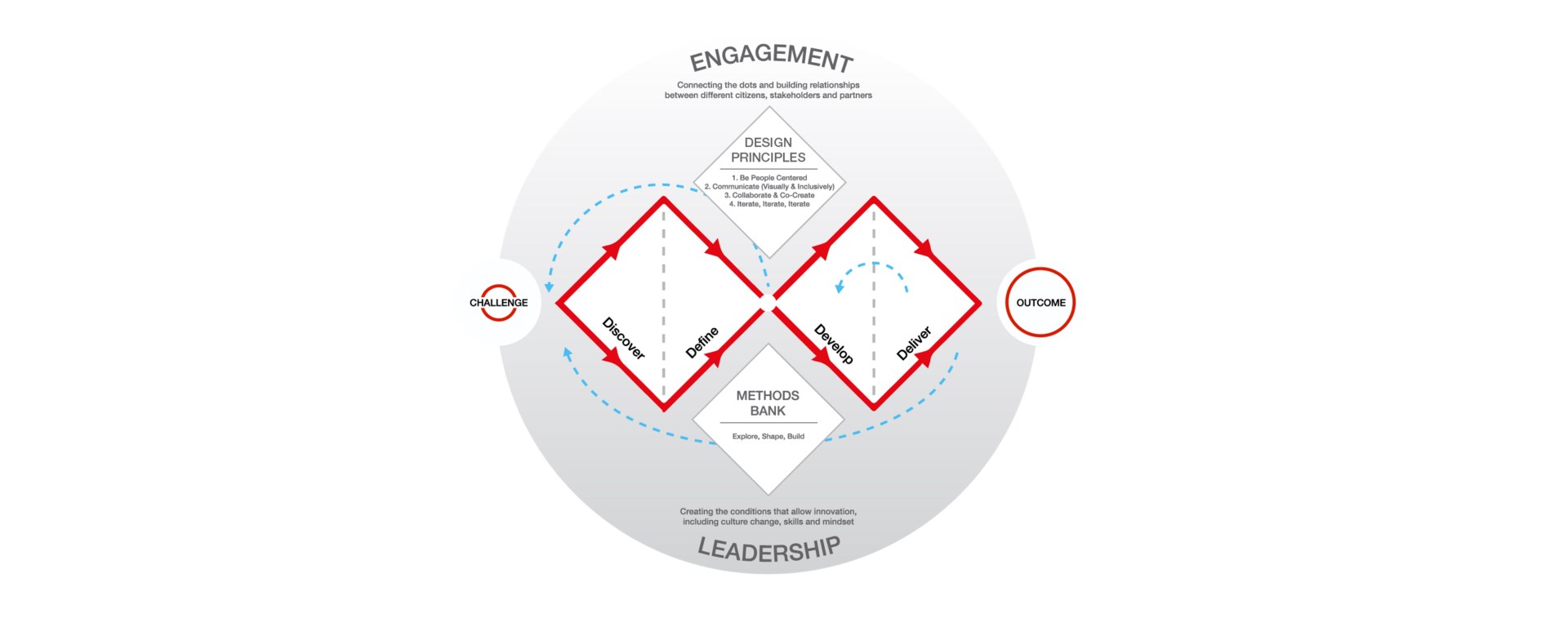
To design more sustainable buildings, and avoid replicating designs that perform poorly we need new tools, methods and sources of inspiration. The ‘methods bank’ must create designs that are more responsive, resilient and sustainable. Outlined below are some suggestions that I made in a presentation for students for the 2024 City Centre Sustainable Housing Competition:
- Needs and aspirations: Generating designs to respond to people’s needs and aspirations. This requires an understanding of the diverse (age, culture, income, etc) nature of future occupants.
- What works: Understanding what works around the site. Studying existing patterns such as land uses, pedestrian movement and activities around and on the site can be used to understand how these work and can be drawn on in new designs.
- Capabilities and characteristics: Sites have inherent characteristics and capabilities that can be worked with. These include existing topographic features, vegetation, water flows and microclimates that can be integrated and developed in designs.
- Form generation: An understanding of local sun patterns, rainfall, wind patterns views and topography can be used to generate responsive building layouts, forms and systems.
- Passive environmental control: An analysis of local climates can be used to identify passive environmental control strategies that respond to local conditions to provide comfortable internal conditions with minimal energy requirements.
- Events and change: Envisaging, presenting and analysing future events and change, such as very heavy rainfall, can be used to design buildings that accommodate these events and change and are more resilient.
- Systems: Presenting and working with buildings as systems can help understand how these systems work and can be designed to be highly efficient.
- Circular economy: Drawing on ideas and methods from the circular economy can be used to develop buildings and systems that are inherently more sustainable.
- Local: Drawing on local materials and skills can be used to develop designs that support the development of a more resilient sustainable local economy and create local jobs and enterprises.
- Future change: Envisaging future change can be used as a design input. This can be used to prolong the life of buildings and avoid them being redundant as change occurs.
- Different ways of living and working: There are an increasing number of models of more sustainable living and working that can be explored and supported in new designs.
- Optimising designs: Design methodologies that develop designs to achieve defined targets can be used to drive high-performance buildings. This can use iterative design and simulation approaches. Photo: Design Museum
 Jeremy Gibberd