We are running the City Centre Sustainable Housing Competition again and opened with lectures on Who, Why, Where and How? I covered Who and Why.
So why have a competition on city centre sustainable housing?
This is because there are many important and interesting questions that need to be tackled and new thinking and design is needed. Here are are some examples:
- Constitution: South Africa has a much lauded Constitution. How do we fulfil the rights, including the right to housing and rights of children, that is in this?
- Climate change and SDG targets: Climate change and SDG targets have been set for 2030. What are these targets? What contribution must housing make in achieving these? What does this mean for planning, design and operation of human settlements?
- Climate change adaptation: We are already experiencing climate change. What further changes are projected? How do you plan, design and operate housing that is resilient and can adapt to these changes?
- New White Paper on Human Settlements: The Department of Human Settlements have developed a New White Paper on Human Settlements. What does this say? What does this mean for planning and design of human settlements? Can this be tested through designs, and constructive feedback provided?
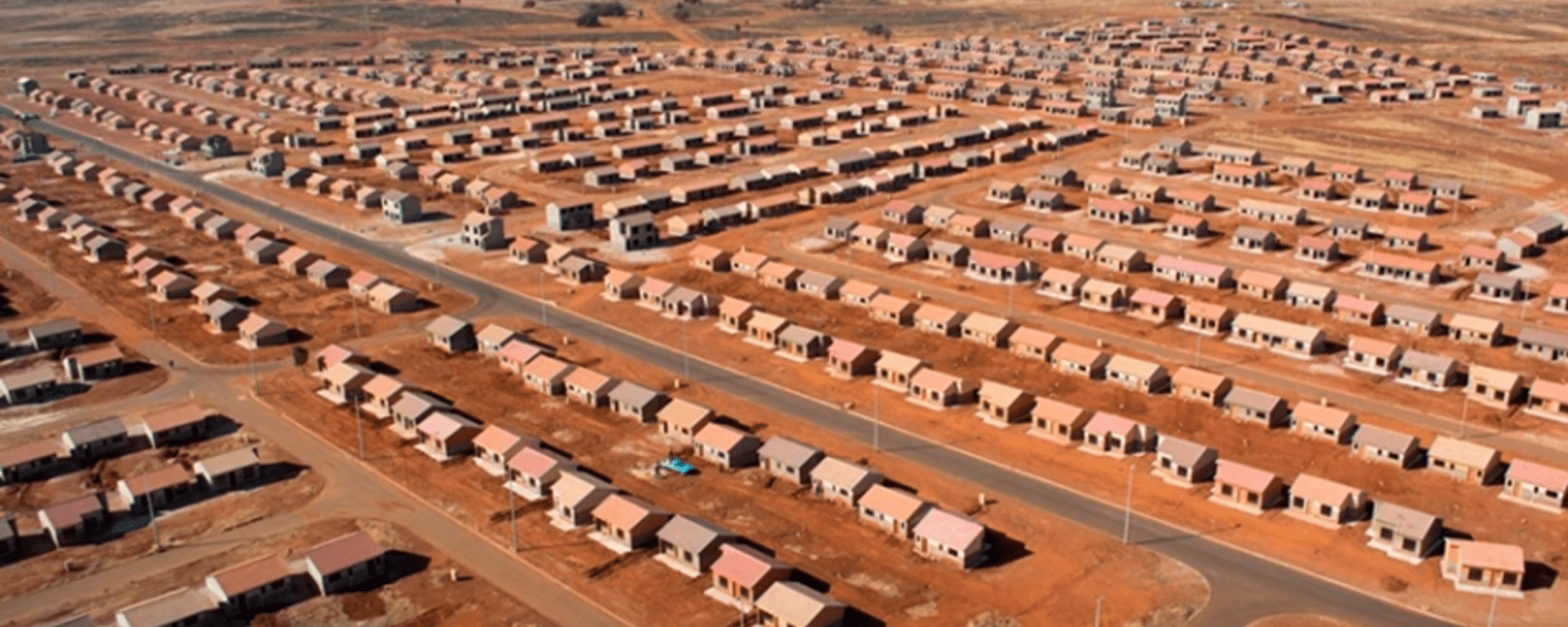
- Government housing programmes: What can be learnt from government housing programmes? How can learning be used in new proposals?
- Private sector housing: What can be learnt from private housing developments? How can learning be used in new proposals?
- Informal settlements: What can be learnt from informal settlements? How can learning be used in new proposals?
- Inner cities: What can be learnt from accommodation in inner cities? How can learning be used in new proposals?
- Integration: Why are many South African human settlements segregated? What can be done to address this? How are more cohesive and inclusive human settlements developed?
- City form: Why are many South African cities and urban areas inefficient? What can be done to address this? How can housing contribute to more efficient urban form?
- Affordability: Housing-related costs constitute the largest proportion of expenditure for many households. How can housing-related costs be made more affordable?
- Bulk services: Electricity, water and waste-related services have become increasingly unreliable in many urban areas. How can these services be made more reliable and affordable?
- Culture and age: Housing accommodates people from different cultures and age groups. How does planning, design and operation of housing ensure that the needs of different groups are provided for?
- Patterns of living and working: What are sustainable patterns of living and working? How can housing and human settlements support these patterns?
- New technologies, methods and materials: There are many new technologies, methods and materials that are being developed. What do these mean for housing? How can aspect be applied and what are the implications?
- Future: Architects have a material influence on the future through the built environments they design. What sort of future would you like to create? What are other people’s aspirations and visions for the future? How can a shared vision for housing be created, and realized?
The list above is obviously a lot to think about and tackle – so we would not suggest trying to address all of them at once! Instead, select few key questions and ideas and research them thoroughly.
Based on findings, explore and develop models and conceptual approaches. These can then be refined iteratively to achieve optimum solutions. Finally, competition entries of proposed solutions with the rationale and supporting performance data can be prepared and submitted.
 Jeremy Gibberd