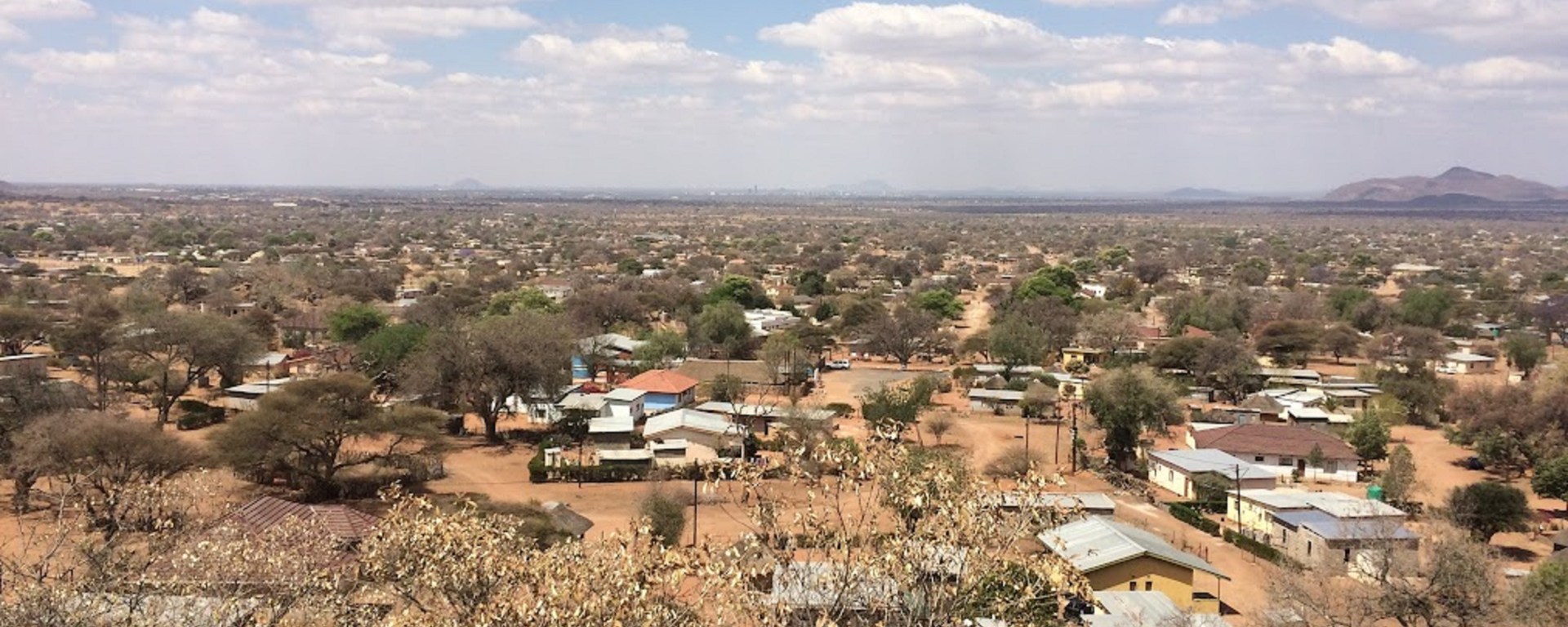
Since independence, Botswana has had one of the world’s fastest growth rates. This has enabled the rapid development of social infrastructure, roads and urban areas. There is now a need to make sure that existing and new buildings are more sustainable and energy efficient.
Comprehensive plans are being developed by the Department of Energy (DoE) and I was invited to contribute ideas for a more energy-efficient and sustainable built environment.
My presentation covered aspects such as strategy, leadership, advocacy alliances, awareness raising, voluntary standards, minimum efficiency for standards for products, government procurement, carbon finance, building regulations, training and CPD courses, energy audits and existing building upgrades, energy performance certificates, taxation and incentives and facilities management.
In developing transformation programmes, it is important to understand the big picture and achieve quick wins as there are often structural aspects and simple changes that can make a big difference. Some examples are:
Energy flows: Sankey charts can be used to show how wasteful conventional energy systems are – with over 60% of the energy generated being lost. How can this be avoided? Can more efficient systems, based on renewable energy, be used?
Urban density and access: Low-density urban sprawl is highly energy inefficient, causes pollution and reduces quality of life. How can dense, mixed-use neighbourhoods with schools, work, retail and recreation within walking distance be developed, that are inherently more energy efficient?
Passive design: An analysis of the Gaborone climate shows that passive design strategies can be used to create comfortable internal conditions for buildings for 90% of the year. Can passive design strategies be integrated into guidance and regulations to avoid new inefficient buildings that rely on air-conditioning being developed?
Government procurement: Government can model the change they would like to see. Can procurement, RFPs and specifications on government projects include minimum performance requirements that drive change?
Existing building efficiencies: Changing behaviour, improving facilities management, better controls and small upgrades can reduce energy consumption by over 30%. As these changes are no cost or very low cost, how can awareness of these measures be shared?
Energy inefficient equipment: Developing countries often are dumping grounds for out-of-date, inefficient equipment. Can minimum energy efficiency standards for equipment be developed and applied?
Renewable energy: Botswana has some of the world’s best solar resources and the cost of renewable energy systems is dropping rapidly. How can renewable energy be integrated into developments to provide accessible, low-cost, reliable power?
 Jeremy Gibberd