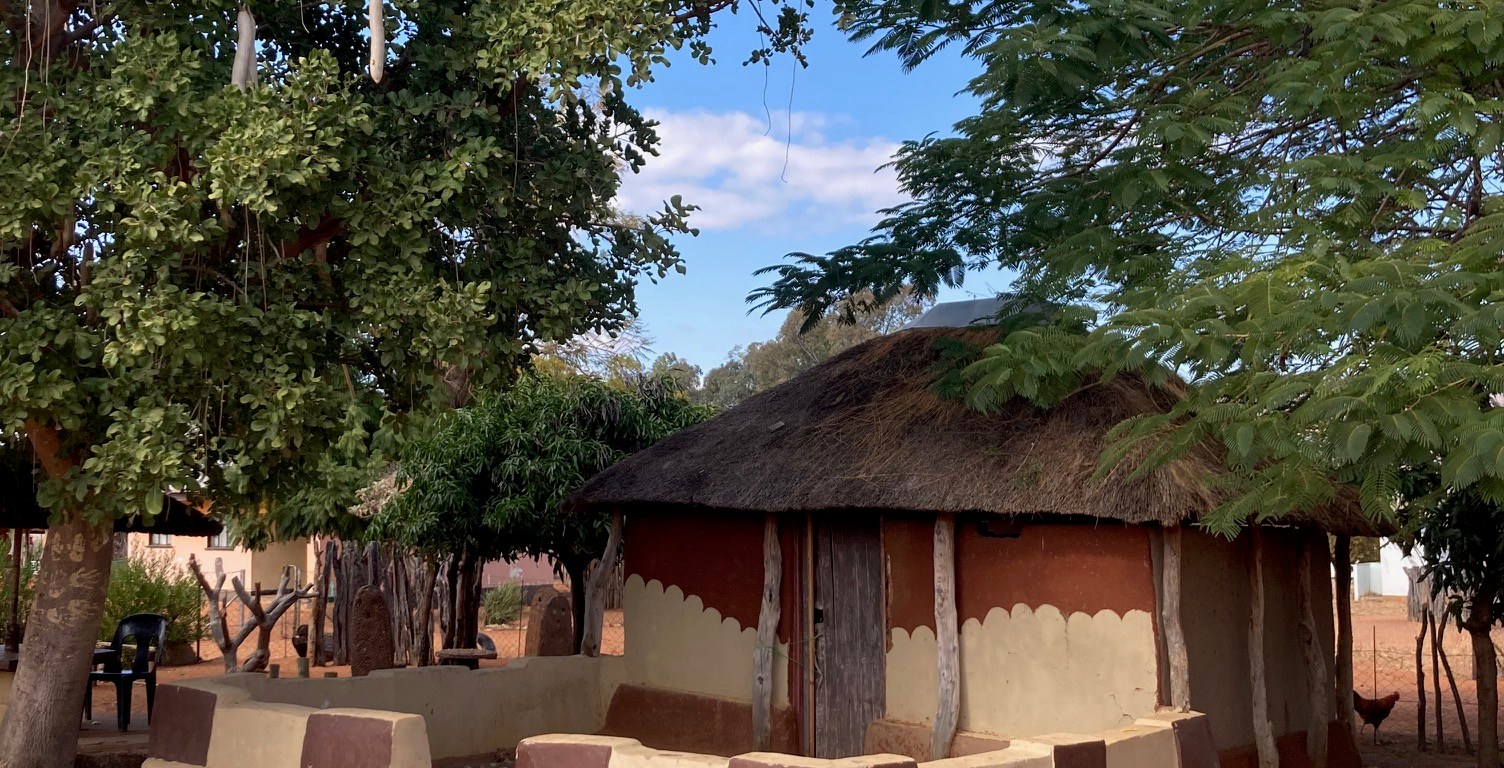
On a recent trip to Botswana, I took the backroads. It was good to see that there are still many traditional houses and yards (lolwapas). Most of these are well maintained and, it being the winter season, had recently received a plaster coat of earth, ash and cow dung before the summer rains. However, very few new traditional buildings are being built, despite their many advantages.
Traditional Tswana houses are affordable and easily adapted as they are largely built by households themselves from local materials (earth, timber, cow dung). They are comfortable throughout the year, with interiors well insulated by thick earth walls and thatch roofs. Spatial layouts have evolved with culture and align well with living and social patterns. They are also highly sustainable and have environmental impacts that are a fraction of any conventionally constructed building.
However, houses can deteriorate rapidly if not maintained and may suffer from termites and dampness after heavy rains. They may also have poor daylighting and do not comply with building regulations. As in many developing countries, traditional buildings are often regarded as backward.
Given the obvious advantages of designs, materials and construction techniques, can traditional buildings be updated to develop new sustainable housing?
More substantial foundations, a base course, floors and dampproof details would improve structural integrity, keep interiors dry and reduce maintenance requirements. Larger and more windows and doors could be used to improve daylighting and ventilation. Electricity and plumbing could be added. Thicker thatch and better sealing of the building envelope would reduce dust and improve thermal performance.
These ‘updates’ would provide interiors that were similar to conventional buildings and improve compliance with building regulations. At the same time, updates would not fundamentally change the materials and techniques used, so the advantages of traditional construction, such as affordability, adaptability and sustainability, would be retained. Given the very large housing backlogs that exist in many African countries, is this a model that should be explored?
 Jeremy Gibberd